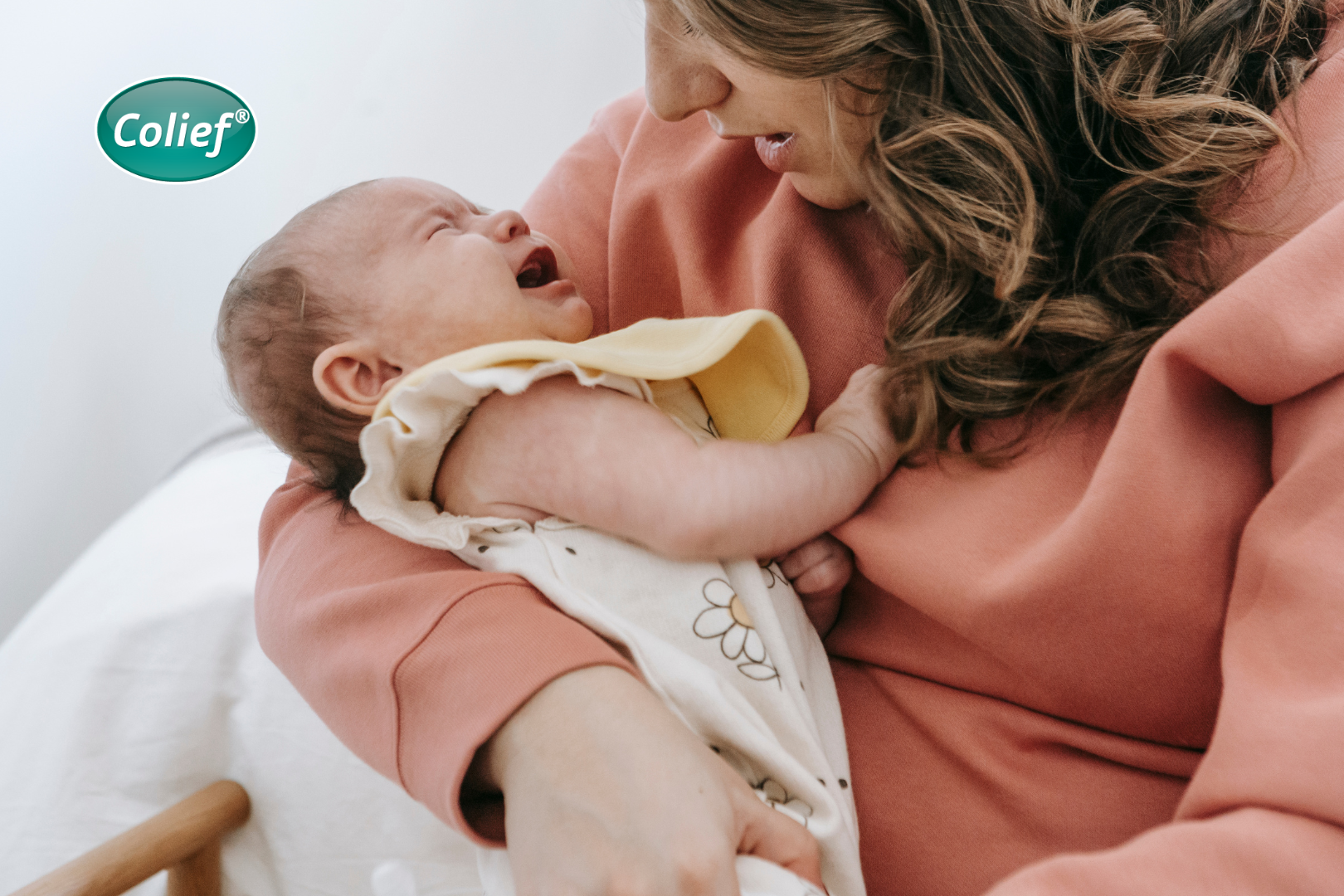
The early weeks with a new baby rarely follow a predictable schedule. Feeding, sleeping and waking can happen at all hours, and every baby gradually finds their own rhythm.
While newborns are too young for a strict sleep routine, you can begin introducing gentle differences between day and night from birth. Keeping evenings quieter, lowering the lights and using a softer voice can all become familiar signals that it is time to slow down.
As your baby grows, these simple cues can gradually develop into a more recognisable bedtime routine that feels familiar and reassuring for the whole family.
When should you start a bedtime routine for your baby?
In the newborn stage, think about gentle cues rather than a fixed schedule. Babies are still developing their natural sleep patterns, and waking regularly to feed is completely normal.
The NHS1 recommends helping babies learn the difference between day and night from the beginning by keeping daytime brighter and more active, while making night-time quieter and calmer.
From around 3 to 6 months
Between around 3 and 6 months, your baby starts to recognise the difference between day and night, and their sleep and wake patterns may become more established. This can be a good time to introduce a more consistent baby bedtime routine. The HSE2 recommends starting a bedtime routine from around 3 months.
There is also good reason to make consistency part of the routine. Research published that more than 90% of paediatricians recommend a bedtime routine for young patients experiencing sleep difficulties. Research involving more than 10,000 children also found that regular bedtime routines were associated with better sleep outcomes, with greater consistency linked to better results.3
Familiar cues can signal bedtime
A bath, fresh nappy, pyjamas, lower lighting, a cuddle or a lullaby can all become recognisable bedtime cues.
The NHS recommends a simple, soothing bedtime routine and suggests familiar activities such as changing into night clothes, dimming the lights, reading a story, cuddling or singing a lullaby.
The routine does not need to be long or complicated. What matters is finding a few calm steps that work naturally for your family.
What can a baby bedtime routine look like?
There is no perfect formula. A simple bedtime routine for babies might include:
- Gradually lowering the lights and reducing noise
- Having a bath or a quick wash
- Putting on a fresh nappy and pyjamas
- Having a feed
- Sharing some quiet time together
- Reading, singing or cuddling
- Settling your baby in their usual sleep space
Babies do not need a bath every evening, so this can simply be included on the nights that suit your family.
Try to follow your baby's cues rather than worrying about completing every step. Some evenings may be calmer than others, and that is all part of finding your rhythm together.
The role of gentle touch at bedtime
For babies, touch can be a comforting way to connect at the end of the day. A few quiet minutes of massage with Baby Massage Oil can give both you and your baby an opportunity to slow down together. Made with 100% natural, plant-based ingredients including Sweet Almond Oil, Jojoba, Lavender Oil and Vitamin E, it is designed to support calming massage moments and one-to-one bonding.
Whether it becomes part of your routine after a bath, before pyjamas or during another quiet moment, follow your baby's cues. Some evenings they may enjoy a massage, while on others a cuddle may be all they need.
Remember, bedtime does not have to be perfect
One evening your little one might settle easily. The next, they may be hungry, overtired or simply need a little more reassurance.
That does not mean the routine has failed.
A calming bedtime routine is not about getting bedtime exactly right every night. It is about creating familiar moments that your child can gradually learn to associate with slowing down and preparing for rest.
Research suggests that the more regularly bedtime routines are followed, and the earlier they become part of family life, the stronger their association with positive sleep outcomes.
Gentle support for bedtime routines as they grow
The way little ones wind down naturally changes as they get older, and gentle products can be incorporated into the routines you already have.
For babies from 3+ months, Colief Bedtime Baby Rub can be used during a gentle moisturising massage. Made with 100% natural ingredients, it combines lavender and pine oils with almond and coconut oils to moisturise delicate skin while creating a soft, comforting sensory experience.
Its convenient stick format glides directly onto the skin, making it simple and mess-free to use after bath time, before a cuddle or during a quiet wind-down moment.
For children from 3+ years, Colief Bedtime Patch offers a different kind of bedtime support. Applied to clothing or bedding rather than directly to the skin, it releases a soft eucalyptus and peppermint aroma over several hours, helping create a familiar and comforting bedtime environment at home or while away.
Find out more on our Instagram.
References
1 ttps://www.nhs.uk/baby/caring-for-a-newborn/helping-your-baby-to-sleep/
2 https://www2.hse.ie/babies-children/sleep/bedtime-routines/
3 https://pmc.ncbi.nlm.nih.gov/articles/PMC4402657/